The Risks and Realities of Private Lending in Canada
In the pursuit of financial freedom, many individuals turn to unconventional avenues such as private lending. For those with bad credit, traditional banks may not even be an option, leading them to seek out private lenders. While the allure of higher returns exists, this approach carries significant risks that can jeopardize one’s financial stability.
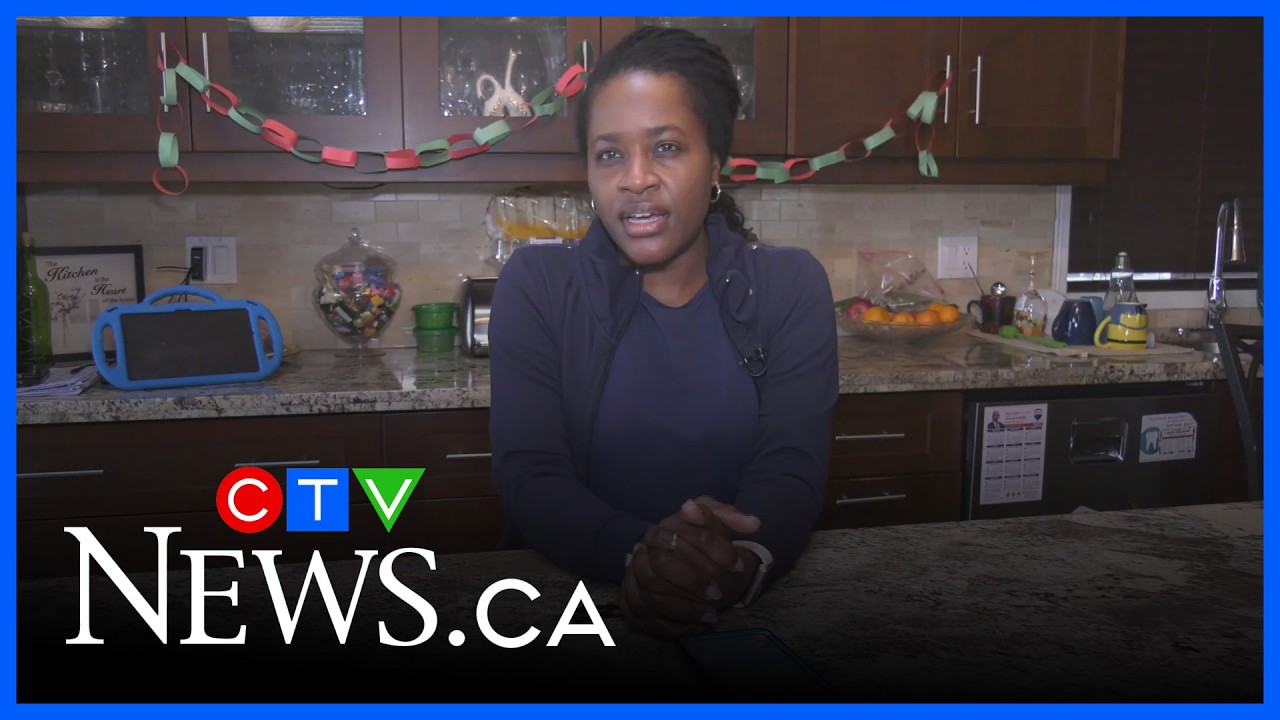
Deanna Johnson, a single mother from Whitby, is one such individual who sought solace in private lending. Faced with the challenges of raising three boys while managing a full-time job and a part-time position, Johnson stumbled upon private lending through social media channels, particularly Instagram reels showcasing how one could generate extra income. The prospect of earning a substantial return led her to take out a line of credit worth $150,000 from her bank, which she then lent out to a company, Unifocus Investments.
Initially, everything seemed promising. For approximately one year, Johnson received consistent monthly interest payments of $3,000—a financial relief that granted her some much-needed breathing room. However, the tide turned when those payments began to arrive late and then halted altogether. After a series of frustrating months, Johnson requested the return of her investment in June. Now, seven months later, her pleas remain unanswered, leaving her in a state of financial limbo.
The challenges Johnson faces highlight a broader issue within the private lending sphere. Mark Ting, a financial expert, emphasizes that borrowers seeking private loans are typically those who have been turned away by traditional banks. This reality introduces a layer of risk that potential lenders must confront. “The higher the interest rate offered, the greater the risk,” Ting advises. He expresses profound caution regarding private lending, recommending it only to those who can afford to lose their investment entirely.
The nature of private loans often complicates matters further. Typically structured as short-term loans lasting six months to a year, these arrangements can carry interest rates ranging from 12% to an alarming 20%. However, when payments stall or borrowers default, the lender may face the daunting task of pursuing repayment without a clear guarantee of success. The transition from financial relief to anxiety can be swift and jarring, as illustrated by Johnson’s predicament.
In her case, the initial sense of relief has devolved into stress and frustration. The prospect of losing $150,000 weighs heavily on her, especially as she considers the potential impact on her children’s lives. Her narrative is not just about lost money; it underscores the emotional toll that such financial decisions can exert on individuals and families.
A key takeaway in Johnson’s story is the importance of thorough due diligence before venturing into private lending. Savvy investors often remind prospective lenders to conduct proper research on the borrower or the lending company. Unfortunately, Johnson appears to have skipped this crucial step, entrusting her substantial investment to Unifocus Investments without sufficient understanding of the associated risks.
As the financial landscape evolves, so too do the strategies individuals employ to secure their financial futures. While private lending can offer lucrative opportunities, it is imperative to approach such options with caution and a well-informed mindset. Understanding the risks involved, conducting thorough research, and ensuring one is financially stable enough to absorb potential losses are crucial steps in safeguarding one’s assets.
In conclusion, stories like Deanna Johnson’s serve as important cautionary tales. The lure of easy income through private lending may be enticing, but the realities lie fraught with risk. Navigating this uncharted territory requires diligence, preparation, and a willingness to embrace the inherent uncertainties that come with it. Investors must remain vigilant, ensuring that their pursuit of financial independence does not lead them down a path of financial despair.